
What happened
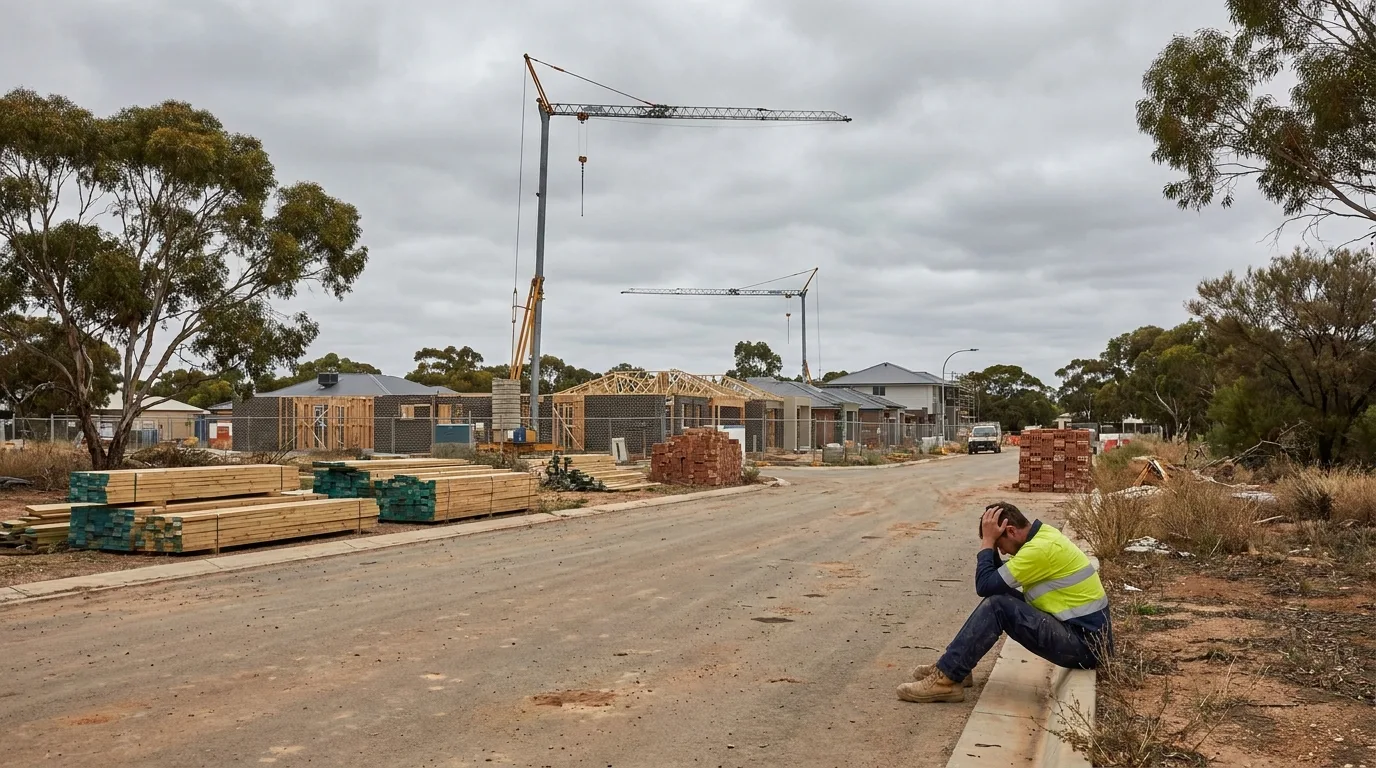
Last week, the U.S. Bureau of Labor Statistics (BLS) released the March Consumer Price Index (CPI), revealing that the shelter index continued its upward trend, increasing by 0.4% over the month and a significant 5.7% year-over-year. This component was the primary driver of the overall CPI's 0.4% monthly increase for all items less food and energy. Specifically, both the Owner's Equivalent Rent (OER) and Rent of Primary Residence indices climbed 0.4% in March, contributing to the persistent inflation narrative.
This isn't new; shelter costs have been a sticky point in inflation reports for over a year. The BLS methodology captures a broad spectrum of housing costs, including existing leases and homeowners' perceived rental values, which inherently introduces a lag. Their stated motivation is to reflect the average cost of housing for the entire population, not just those currently in the market for a new rental.
The data behind it
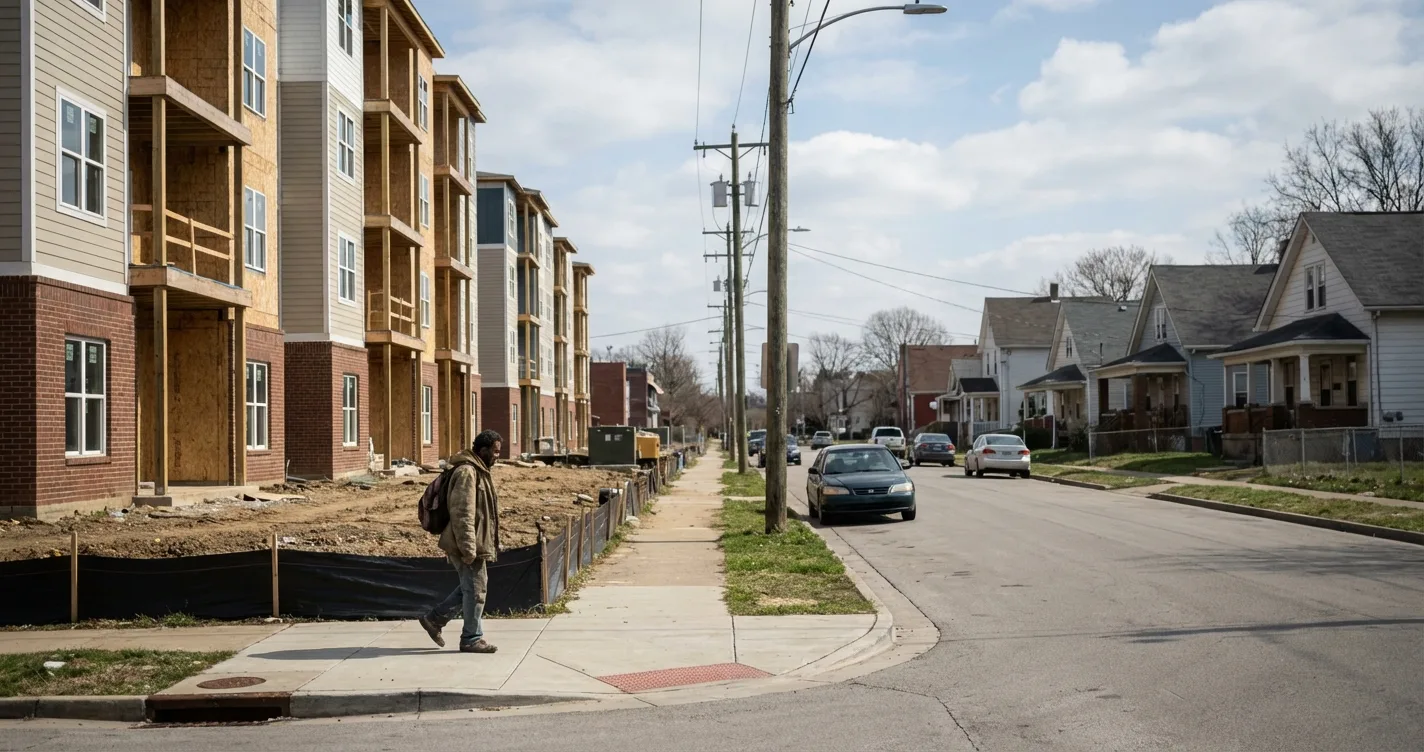
Here's where the disconnect becomes stark. While the CPI reports shelter costs rising, real-time market data from various sources (e.g., Zillow, Apartment List) shows asking rents for new leases have been decelerating, and in many cases, outright falling, since the latter half of 2022. This divergence highlights a critical methodological issue for anyone making financial decisions based on current market conditions, especially cross-border professionals or digital nomads.
For an American expat considering a move, this lag is significant. If you're currently in the US, paying the 'average' rent captured by the CPI, your perceived cost of living might align. However, if you're _entering_ a new rental market, either domestically or abroad, the official CPI figures are a poor guide. A median US income of $75,000 yields a net ~$58,000/year after a 22.5% tax. The US cost of living is 100% of that benchmark, with a PPP of 1.0× US purchasing power. Compare this to, say, Portugal, where the cost is 75% of the US, and you enjoy 1.3× US purchasing power despite a 42.5% tax rate, netting ~$43,000/year. The actual cost of a new rental in Portugal, and many other global hubs, is often more favorable than official US inflation metrics suggest.
This isn't just about headline numbers. The 'stickiness' of shelter in the CPI keeps the Federal Reserve hawkish, influencing interest rates and the value of the dollar. This, in turn, impacts the relative attractiveness of various relocation destinations. For example, a stronger dollar makes countries like Thailand (cost 54% of US, 4.2× US purchasing power) or Mexico (cost 56% of US, 1.9× US purchasing power) even more appealing for those earning in USD, as their purchasing power abroad is amplified.
What it means for you
If you're an expat, digital nomad, or cross-border professional, this CPI lag means two things: don't panic about US housing inflation if you're not actively signing a new lease in the US, and re-evaluate your relocation options with real-time rental data, not just headline inflation. The official CPI numbers are a rear-view mirror for housing; your forward-looking financial plan needs a windshield.
For those considering a move _out_ of the United States, the current environment presents an opportunity. The perceived 'high cost' of the US (100% of US benchmark) and its associated tax burden (22.5% on $75K) makes destinations with lower costs and competitive purchasing power more attractive. Countries like Spain (cost 81% of US, 1.4× US purchasing power) or South Korea (cost 86% of US, 1.7× US purchasing power) offer significantly better Net Life Values (NLV 76/100 and 81/100 respectively, compared to US 62/100) and higher purchasing power, especially if you're earning a US-level income.
This persistent CPI lag will likely continue to fuel the narrative of stubborn inflation, potentially extending the period of higher interest rates. This makes borrowing more expensive globally, but it can also strengthen the dollar, benefiting those earning in USD and spending in local currencies abroad. Your arbitrage opportunity here is real: capitalize on lower asking rents abroad while the market perceives US housing costs as perpetually high.