
What happened
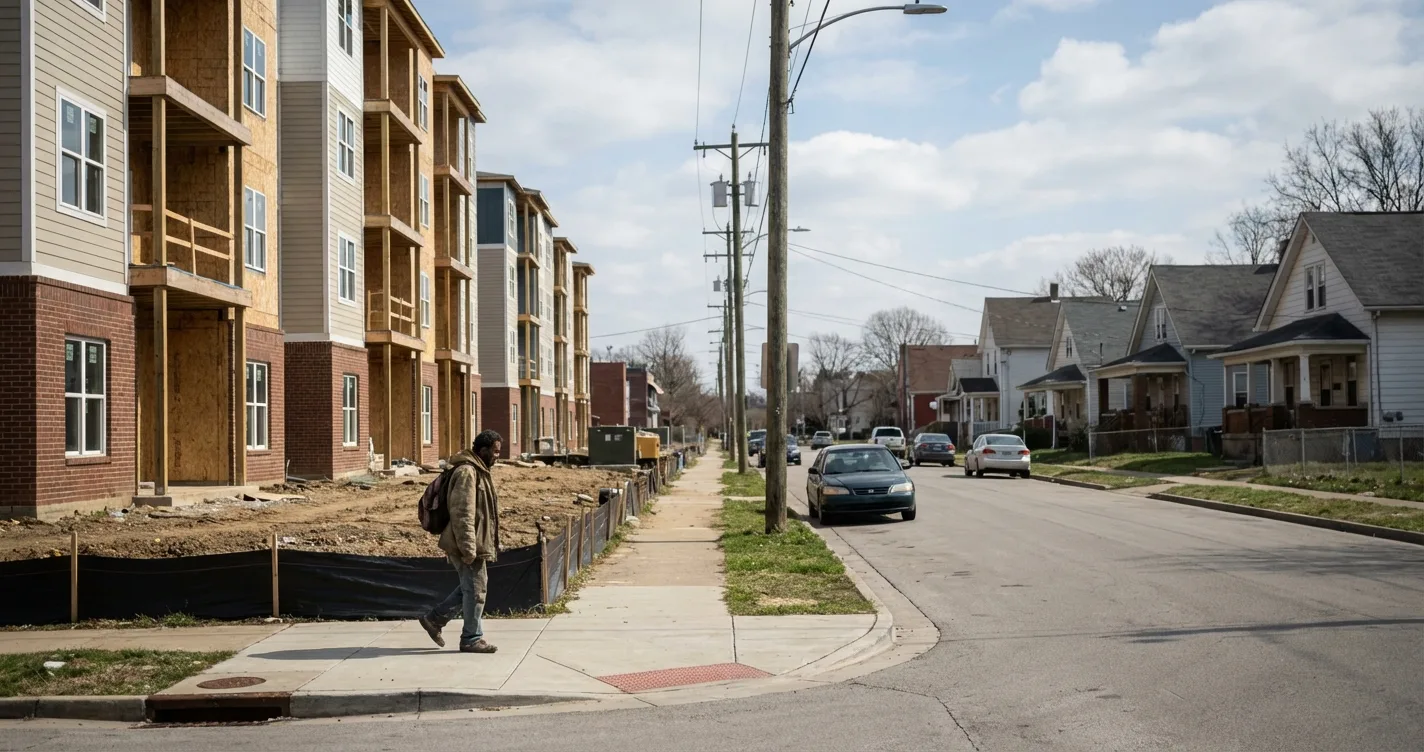
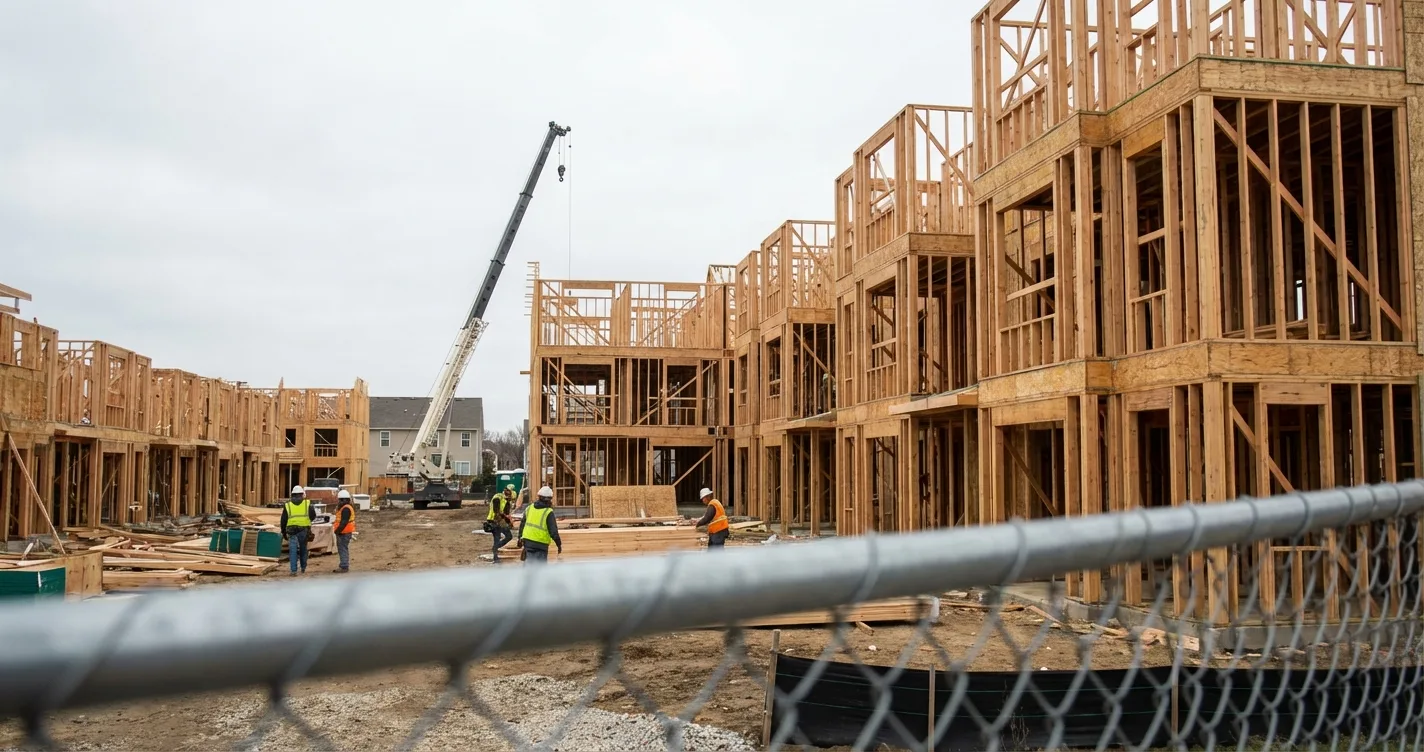
The Bureau of Labor Statistics (BLS) released its March 2026 Consumer Price Index (CPI) report, indicating that shelter costs in the United States continued their upward trajectory, rising by an annual rate of 3%. This figure, a significant component of the overall CPI, contributes substantially to the persistent inflation narrative. The BLS attributes this increase to the methodology used, which captures rent changes for a broad sample of housing units, including those with existing leases that adjust slowly.
This official statistic presents a stark contrast to real-time market observations. Anecdotal evidence and independent rental data platforms show a different picture: asking rents in many major US metropolitan areas are either flatlining or actively falling. This divergence highlights a critical lag in how official inflation metrics capture housing market dynamics, particularly for new movers or those renegotiating leases.
The BLS maintains its methodology is designed for stability and comprehensive coverage, not rapid market reflection. For cross-border professionals, this creates a disconnect. The 'official' cost of living in the US, heavily influenced by this lagging shelter component, appears higher than what an individual entering a new lease might actually encounter.
The data behind it
The 3% annual increase in US shelter costs, as reported by the CPI, continues to prop up the overall perception of US living expenses. The United States currently registers a cost 100% of US, meaning it serves as the baseline for our Net Life Value (NLV) calculations. This official CPI data points to a continued erosion of purchasing power for those earning and spending in US dollars, particularly when considering the broader economic picture.
Compare this to countries where your dollars stretch further. In Thailand, for example, your US income yields 4.2× US purchasing power, with a cost of just 54% of the US average. Even within Europe, countries like Spain offer 1.4× US purchasing power at 81% of US costs, and Portugal provides 1.3× US purchasing power at 75% of US costs. These comparisons underscore how a seemingly moderate 3% shelter increase in the US can disproportionately impact your financial outlook when stacked against global alternatives.
The persistent lag in the CPI's shelter component, often estimated at 12 to 18 months, means that the falling asking rents observed today won't be fully reflected in official inflation data for another year or more. This creates a distorted view of US affordability for anyone evaluating relocation. While the NLV for the United States is 62/100, countries like Singapore (NLV 80/100) and South Korea (NLV 81/100) offer significantly higher Net Life Values, often with better purchasing power multiples, even before considering the discrepancies in US housing data.
What it means for you
For expats, digital nomads, and cross-border professionals, this CPI report is a double-edged sword. On one hand, the official narrative of rising shelter costs fuels the perception of the US as an expensive place to live. This could accelerate the US → Portugal pipeline or push more individuals towards regions like Southeast Asia, where your purchasing power is significantly higher. Consider Thailand, where a $75,000 income nets ~$60,000/year after a 19.4% tax, coupled with that 4.2× US purchasing power.
On the other hand, for those _considering_ a move to the US, the disparity between official CPI and real-time asking rents means you might find better housing deals than the headlines suggest. Always cross-reference official data with granular, market-specific rental platforms. However, even if shelter costs are softer in reality, other expenses in the US remain high, and the overall tax burden (e.g., 22.5% on $75K in the US, netting ~$58K/year) can still make other destinations more attractive financially. For instance, the UAE boasts 0.0% tax on $75K, netting ~$75K/year, with 2.1× US purchasing power.
This situation reinforces the critical need for independent, real-time data analysis when making relocation decisions. Relying solely on lagging government statistics can lead to suboptimal choices. Focus on the actual market conditions you'll face as a new tenant, rather than broad, aggregated figures that reflect a historical reality. The official CPI is a macroeconomic indicator; your personal cost of living is a microeconomic reality.
Bottom line
The US CPI's shelter component remains stubbornly high, painting an outdated picture of housing costs. This statistical lag disproportionately impacts expat perceptions of US affordability, making alternatives with superior purchasing power, like Thailand or the UAE, even more compelling. Don't let official data mislead your relocation strategy.