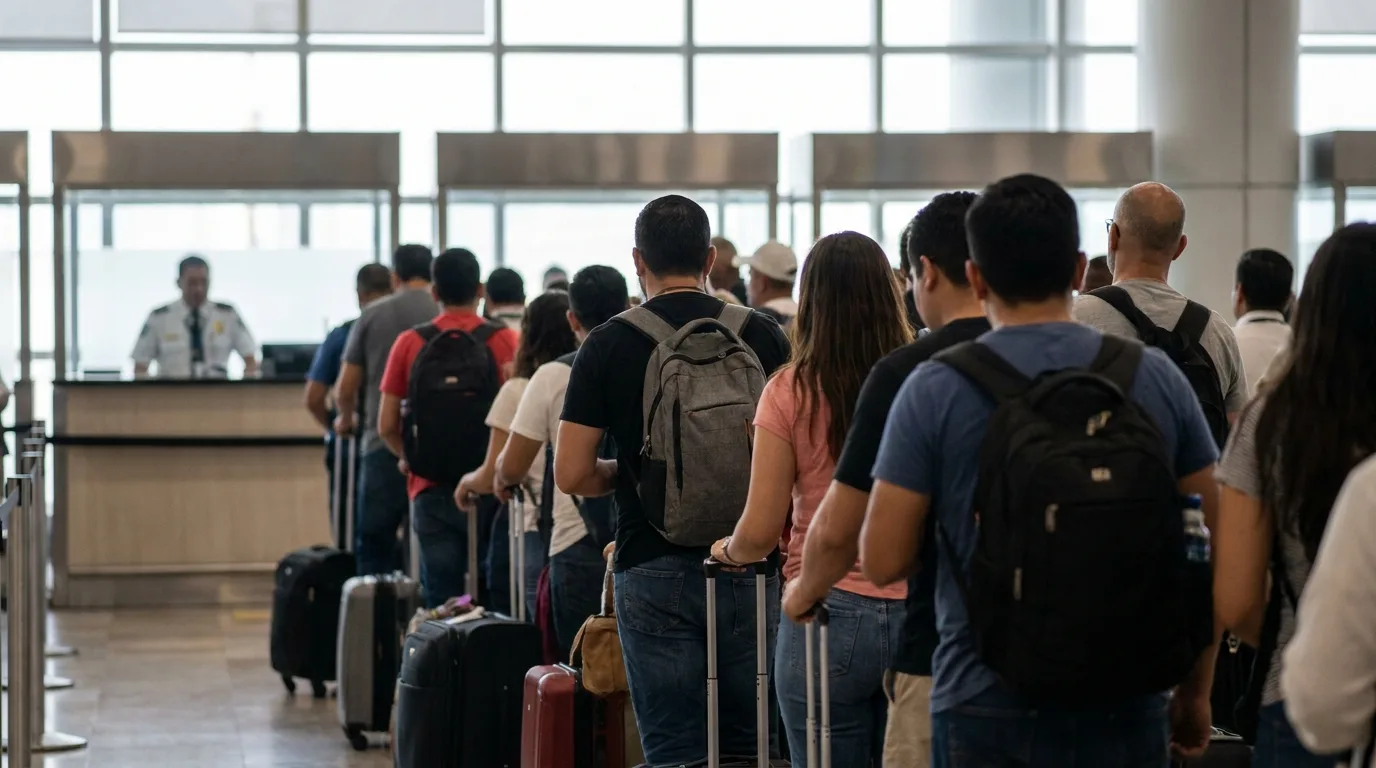

What happened Thailand is tightening its entry requirements, cutting visa-free stays for visitors from over 90 countries from 60 days to just 30 days. This change, announced recently and set to take effect on June 18, 2026, directly impacts travelers from key markets including the United States, the United Kingdom, and Australia. The stated motivation behind this policy shift is to combat crime, specifically targeting those who overstay their visas or engage in illicit activities. Essentially, the Thai government believes that shorter visa-free periods will deter undesirable elements from settling in the country for extended periods.
This decision signals a notable departure from the prevailing global trend. Many nations are actively rolling out extended visa programs and incentives to attract digital nomads, recognizing their significant economic contributions. Thailand's move, while framed as a security measure, could inadvertently discourage legitimate remote workers and tourists who prefer longer stays to fully experience the country and contribute to its local economies. It's a calculated risk, prioritizing perceived security over potential economic uplift from a growing demographic of high-earning, location-independent professionals.
The data behind it For years, Thailand has been a top-tier destination for remote workers and expats, largely due to its exceptionally low cost of living and high quality of life. Our data shows Thailand's cost of living is only 54% of the US, offering an impressive 4.2× US purchasing power. An expat earning $75,000 annually in Thailand can net around $60,000 after a manageable 19.4% tax rate, enjoying a Net Life Value (NLV) score of 78/100, driven by an Economic Prosperity (EP) score of 100.
Compare this to countries actively wooing digital nomads. Portugal, for instance, with a cost of living at 75% of the US and a 1.3× US purchasing power, has cultivated a robust digital nomad visa program. Spain, another popular choice, offers 1.4× US purchasing power at 81% of US costs. Even countries like Mexico (1.9× US purchasing power, 56% of US cost) and Brazil (2.2× US purchasing power, 58% of US cost) maintain generous entry policies that support longer stays for remote workers, despite having lower NLV scores than Thailand.
Thailand's new policy directly challenges the financial advantages that have long drawn expats. A 30-day window is simply too short for many remote professionals to establish a comfortable routine, integrate into local communities, and truly leverage the cost benefits. The administrative burden of frequent visa runs or applications for longer stays will erode the very appeal of Thailand's affordability and ease of access. This policy essentially makes it harder to unlock that 4.2× US purchasing power over a meaningful timeframe.
What it means for you If you're a digital nomad or cross-border professional eyeing Thailand for an extended stay, this policy change creates a significant hurdle. The practical implication is clear: your default visa-free options are now limited to 30 days. This means you'll either need to plan for shorter trips, apply for specific long-stay visas (which can be complex and time-consuming), or consider other destinations that are more welcoming to remote workers.
This shift accelerates the trend of US-based professionals looking towards alternatives. Destinations like Portugal and Spain, with their established digital nomad visas and significantly higher NLV scores for expats (Portugal 74/100, Spain 76/100), become even more attractive. For those seeking Southeast Asian experiences, Vietnam (4.5× US purchasing power, 45% of US cost) and the Philippines (not in data, but a similar appeal) might see increased interest as their policies remain more accommodating for longer-term visitors.
Ultimately, this is a call to action for proactive planning. Don't assume the old rules apply. If Thailand remains on your radar, research the specific long-term visa options available for your nationality well in advance. For many, however, this policy will be the tipping point to explore countries that are actively investing in and welcoming the digital nomad economy, rather than creating new barriers.