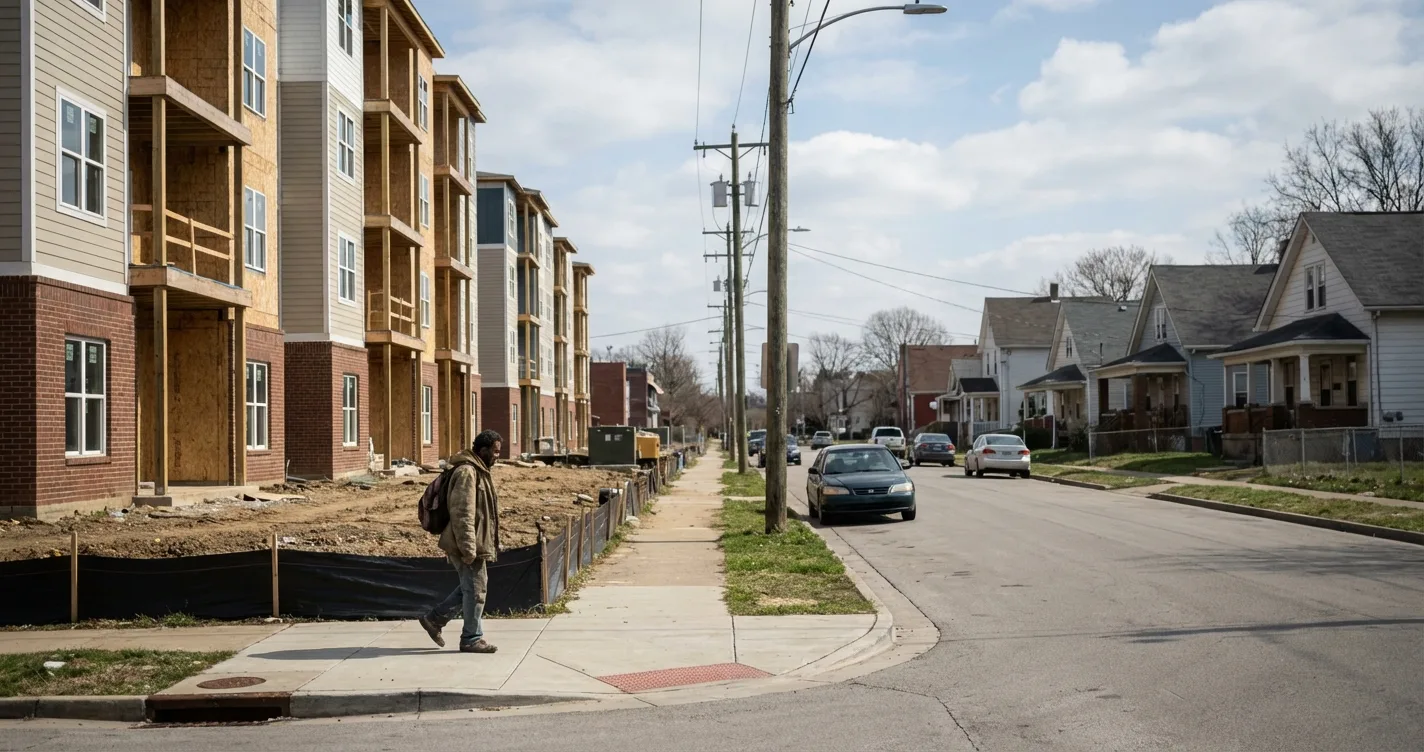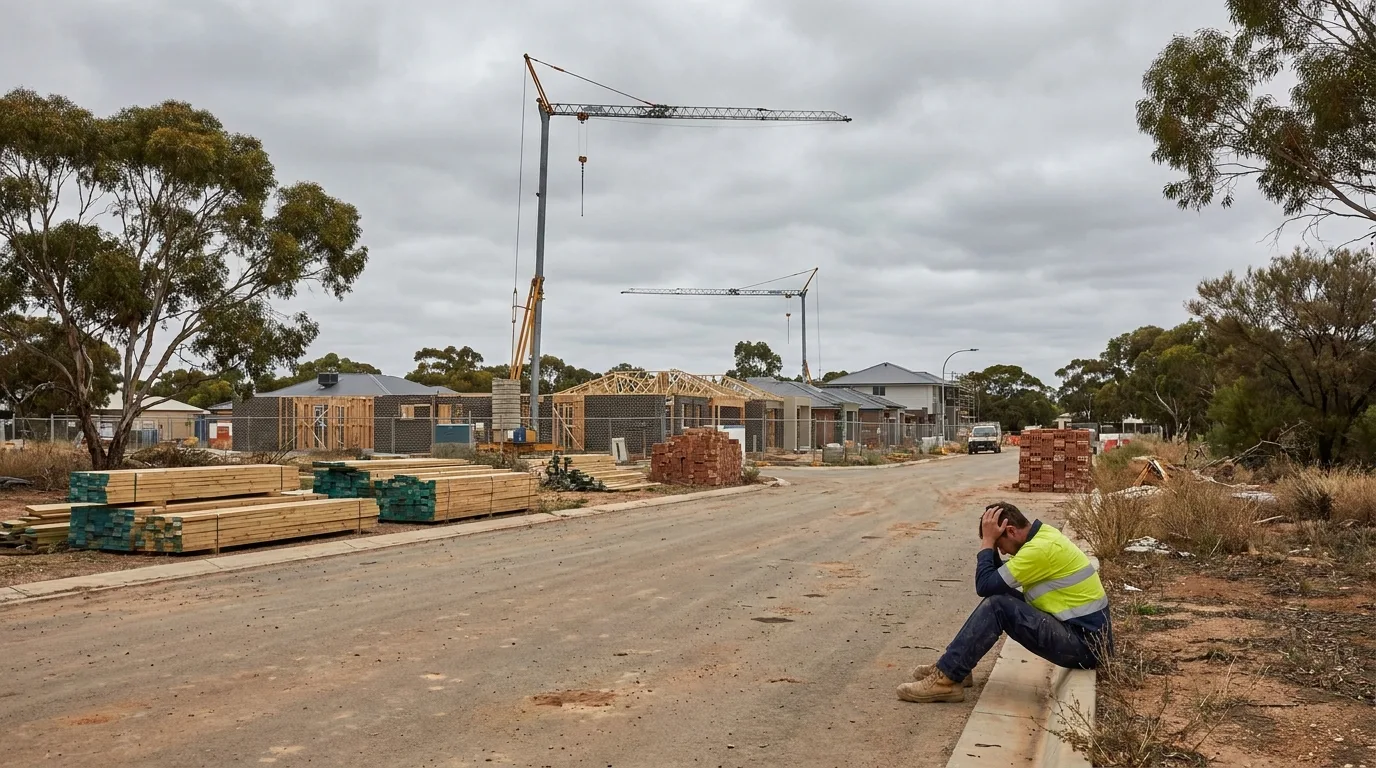

What happened Australia's housing market, long a beacon of stability even amidst global volatility, is flashing new warning signs. The downturn, previously confined largely to major capital cities like Sydney and Melbourne, has now demonstrably spread to regional areas. According to recent data, the combined regional index registered a 0.2% drop in July, marking the first such decline since January 2023. This isn't a mere blip; it's a significant shift in a market previously thought insulated from the broader economic headwinds.
This regional slump compounds an already challenging environment. Rising interest rates have been a consistent theme, pushing mortgage repayments higher for homeowners across the country. Simultaneously, stubborn inflation continues to erode purchasing power. The expansion of housing price declines into regional markets confirms that the cost of living crisis in Australia is no longer geographically isolated; it's a nationwide phenomenon impacting a broader segment of the population.
The data behind it For those considering Australia, or already settled there, this regional market shift directly impacts your Net Life Value (NLV). Australia already presents a higher cost of living, sitting at 102% of the US average. While a professional earning $75,000 annually can expect to net around $57,000 after a 24.0% tax rate, their purchasing power is only 1.1× US. This is already less competitive than several comparable nations. For example, in Canada, with a similar cost of 97% of US and a 25.1% tax rate, you'd net $56,000, also with 1.1× US purchasing power. However, countries like Spain offer significantly better value, with a cost of 81% of US, a 32.3% tax rate netting $51,000, but a robust 1.4× US purchasing power.
The previous narrative often pointed to regional Australia as a more affordable alternative to the expensive coastal capitals. That narrative is now challenged. When regional housing, a significant component of living expenses, starts declining due to rising rates and broader economic pressure, the relative affordability advantage diminishes. The combined effect of higher housing costs (whether through rent or mortgage payments) and persistent inflation means that the effective purchasing power for residents will be further squeezed, even beyond the national 1.1× US benchmark.
Compare this to countries offering higher purchasing power for a similar or lower cost of living. South Korea, for instance, has a cost of 86% of US and a relatively low 21.2% tax rate, netting about $59,000, but offers a substantial 1.7× US purchasing power. Thailand, at 54% of US cost and a 19.4% tax rate, nets $60,000 and boasts an impressive 4.2× US purchasing power. The diminishing affordability in Australia, even regionally, makes these alternatives increasingly attractive.
What it means for you If you're an expat in Australia, particularly one who moved to a regional hub for better value, this news is concerning. Your cost of living is rising, and the investment value of your property, if you own, is decreasing. This dual squeeze on finances will put pressure on budgets and potentially necessitate a re-evaluation of your financial strategy in Australia. Those considering a move to Australia should now factor in a broader, more pervasive cost of living challenge.
For digital nomads and cross-border professionals, this widening downturn in Australia reinforces the need for rigorous location arbitrage. The days of easily finding a more affordable Australian regional haven are becoming more complex. While Australia’s Quality of Life (QoL 67) remains high, its diminishing Economic Prospects (EP 66) and rising costs mean its overall NLV of 66/100 might see downward pressure. This might accelerate the trend of professionals looking towards markets with stronger economic tailwinds or significantly lower costs, such as Portugal (NLV 74/100, 1.3× US purchasing power) or Japan (NLV 74/100, 1.4× US purchasing power).
Re-assess your budget projections for Australia. Consider if your current income can sustain the increasing cost of living, especially if you’re tied to the local economy. For those on the fence, carefully weigh Australia’s 102% of US cost against its 1.1× US purchasing power compared to other high-QoL destinations with better financial metrics.